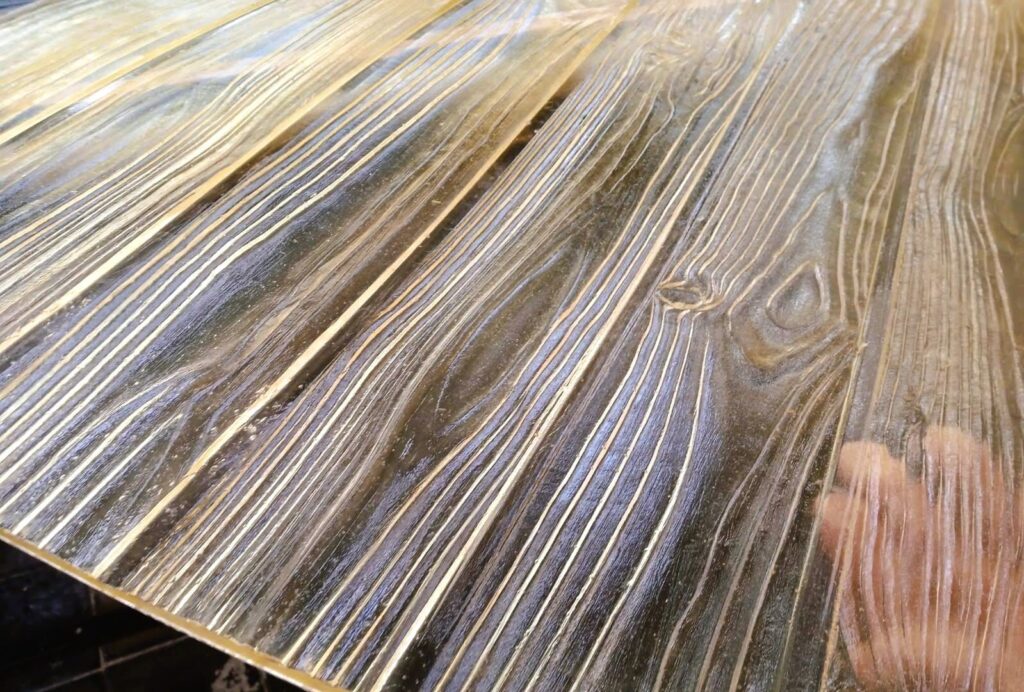
We look for a way to transfer these ideas reliably into production. At ZP Polymers, we combine product development, material know-how and the production of silicone and polyurethane moulds into one process. We work with clients from the first technical concept through to a finished mould or functional prototype ready for serial production.
Every project is different.
Even so, we follow a process that allows us to maintain high manufacturing precision while continuously consulting each step with the client.
First, we need to understand the product itself.
What material will be cast? What mould service life is required? What are the dimensions, production tolerances or expected number of castings?
The better we understand the future application, the more precisely we can design both the technology and the material.
The foundation of every precise mould.
The master model is the original pattern from which the mould is created. We work with proven partners in CNC machining, 3D printing and the production of structural components. In our own production, we handle assembly, final finishing and preparation of the model for casting.
Every project is different.
Even so, we follow a process that allows us to maintain high manufacturing precision while continuously consulting each step with the client.
First, we need to understand the product itself.
What material will be cast? What mould service life is required? What are the dimensions, production tolerances or expected number of castings?
The better we understand the future application, the more precisely we can design both the technology and the material.
Even after the mould is removed from the frame, the production process continues. After approximately 24 hours, the mould can be demoulded, but the elastomer continues to mature for roughly another 48 hours.
During this process, the material crosslinks, allowing the mould to achieve its final strength, elasticity and service life. Following this technological procedure is one of the reasons why our moulds perform reliably even in long-term use.
Even after the mould is removed from the frame, the production process continues. After approximately 24 hours, the mould can be demoulded, but the elastomer continues to mature for roughly another 48 hours.
During this process, the material crosslinks, allowing the mould to achieve its final strength, elasticity and service life. Following this technological procedure is one of the reasons why our moulds perform reliably even in long-term use.
We work with companies that need a reliable partner for product development, precision mould production and prototype or small-series manufacturing. We adapt our solutions to the technical requirements of each project.